
Royal Mile history along the ridge
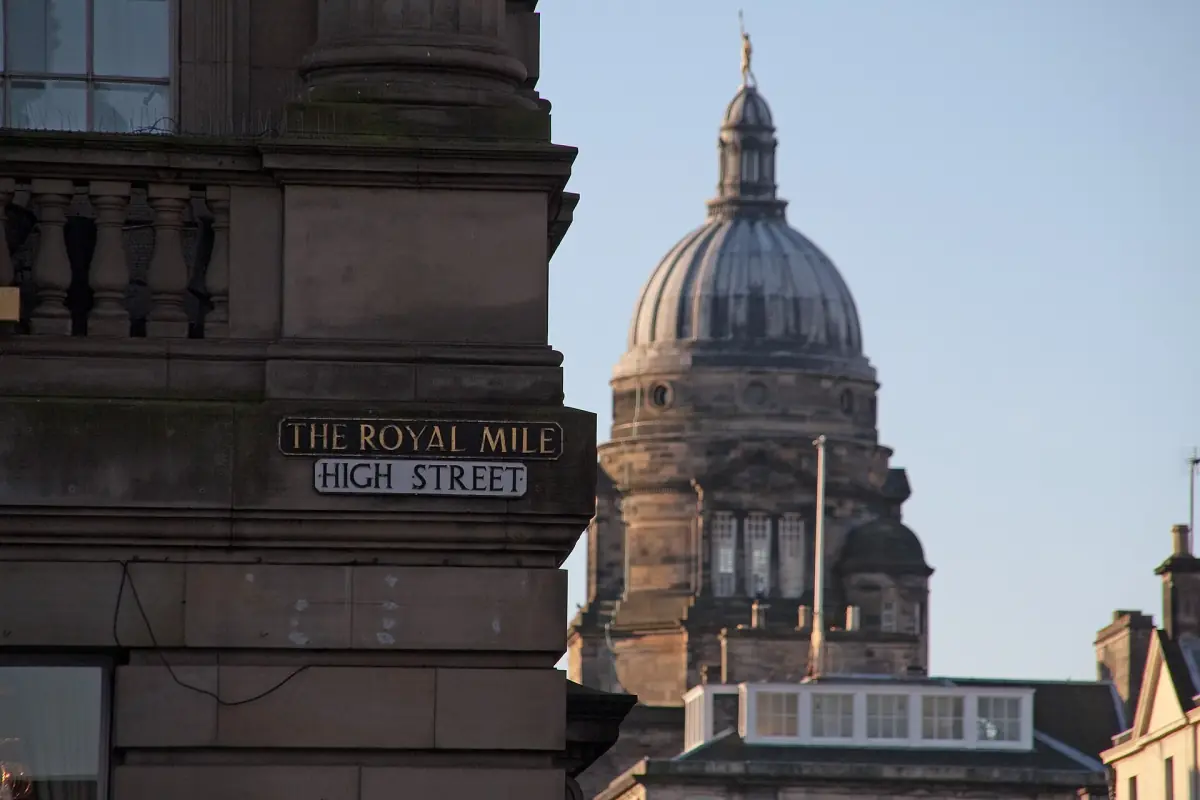
Royal Mile history is visible in the shape of the Old Town as well as in its individual buildings. The route runs from Castlehill through Lawnmarket, High Street and Canongate to Abbey Strand. Along it, narrow closes leave the main street and lead towards courtyards and gardens. Walking the length of the route gives you a way to connect these fragments rather than treating each building as an isolated sight.
After the foundation of Holyrood Abbey, David I permitted building on the ridge towards St Giles. Canongate and the route that became known as the Royal Mile developed along this axis. The buildings you see today belong to different periods, so an old street plan should not be mistaken for a row of unchanged medieval houses.
Use our Old Town sights guide to plan interior visits, or follow the Royal Mile overview for orientation. The Grassmarket walk takes the story towards Victoria Street.
Our pick: Old Town history
A guided walk explores the history and stories of the Old Town.
Hand-picked tours, booked through GetYourGuide. Prices are indicative starting prices in British pounds (as of October 2026). Tap a tour for live availability and the current price in your currency.
Explore the Old Town's history
A guided history walk offers context for the streets and stories of the Old Town.
St Giles and the Reformation
St Giles is dated to around 1124, although the present building should not be read as a structure entirely from that year. Its story spans centuries of religious and architectural change. John Knox appears in its timeline in 1559, and Presbyterianism was established in 1560. Today the congregation belongs to the Church of Scotland and follows a Presbyterian tradition, while the historic name Cathedral remains in use.
Look at the church in relation to the surrounding street and public space. The Mercat Cross nearby is a Victorian reconstruction from the 1880s, rather than a wholly surviving medieval market cross. These layers are part of the interest: a historic setting can contain later interpretations alongside much older foundations.
Architecture of the Old Town
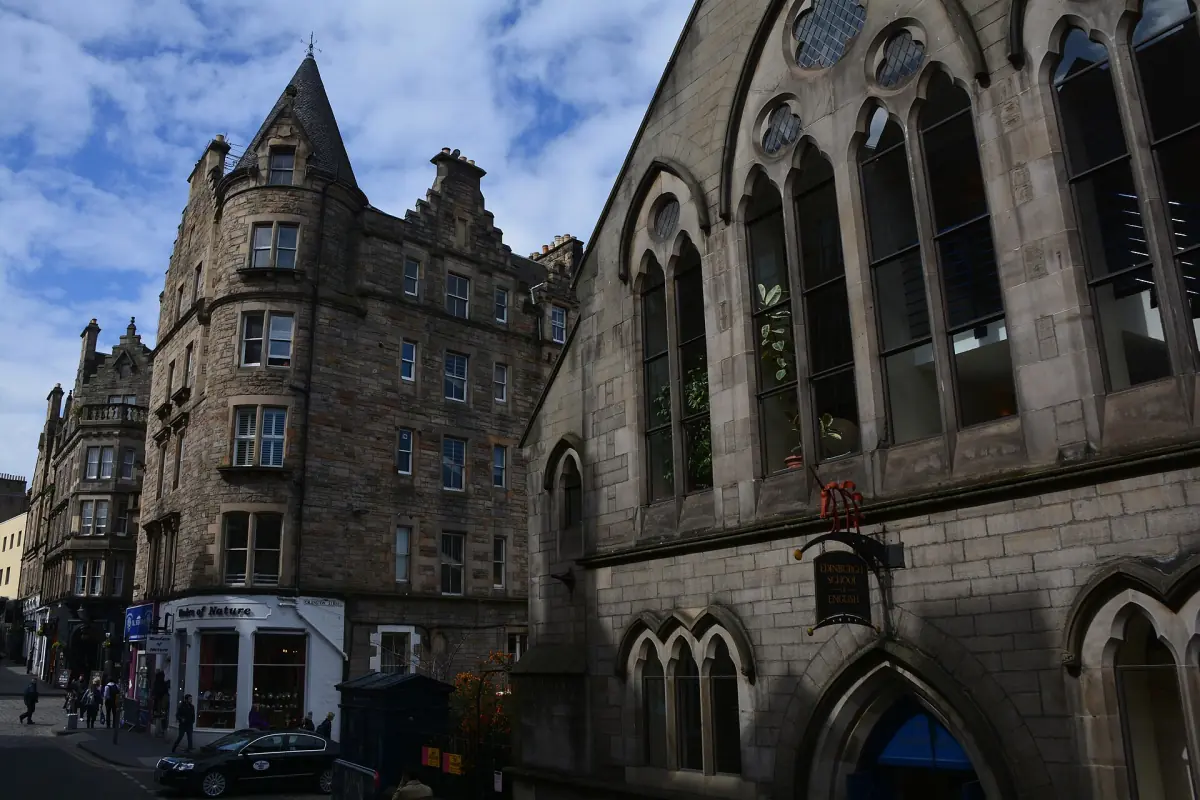
Historic dwellings, closes and courts give the area its distinctive pattern. From the main street, an opening between buildings can change the sense of scale abruptly. Pause at an entrance and look back towards the wider street before continuing. Some spaces remain places where people live or work, so respect signs and private entrances as you explore.
Edinburgh's Old and New Towns were inscribed together as a UNESCO World Heritage site in 1995. The designation recognises the wider urban ensemble, including the contrast between the medieval development of the Old Town and the planned neoclassical New Town from the eighteenth century. The Royal Mile is part of that larger setting, rather than a separate World Heritage listing.
Gladstone's Land and John Knox House
Historic homes make the street's social history more tangible. Gladstone's Land on Lawnmarket tells stories of residence and trade over several centuries, with hand painted ceilings dating from 1620. Check the house's visitor arrangements before setting out, especially if you want to join a guided visit rather than explore independently.
John Knox House is dated by its operator to 1470 and is associated with the Reformation. Knox is said to have lived there briefly before his death in 1572. The house is closed for renovation from 9 to 27 November 2026; the adjoining Storytelling Centre remains open. Check the individual venue before making an interior visit the centrepiece of your day.
Victoria Street and a changing city
Curving Victoria Street adds another period to the walk. Built between 1829 and 1834 as part of improvements to city connections, it is not a wholly medieval lane. Its colourful shopfronts and curve make a useful contrast with the closes off the Royal Mile. Continue to Grassmarket and Victoria Street for a route that brings the two areas together.
History walks and ghost tours may use the same streets but have different emphases. Treat supernatural stories as folklore and performance, and use a history walk for context about the place and its documented past. For opening arrangements and practical access, check each attraction separately rather than assuming that an outdoor walk includes entry.
Royal Mile history questions
Is the whole Royal Mile medieval?
The street pattern has deep historic roots, but its buildings and monuments represent different periods.
What is the connection between St Giles and John Knox?
Knox appears in the church's historical timeline in 1559, during the Reformation.
Can I visit historic homes?
Gladstone's Land and John Knox House offer house visits. Check their individual arrangements and the stated renovation closure before travelling.